What do I need to know about Giethoorn?
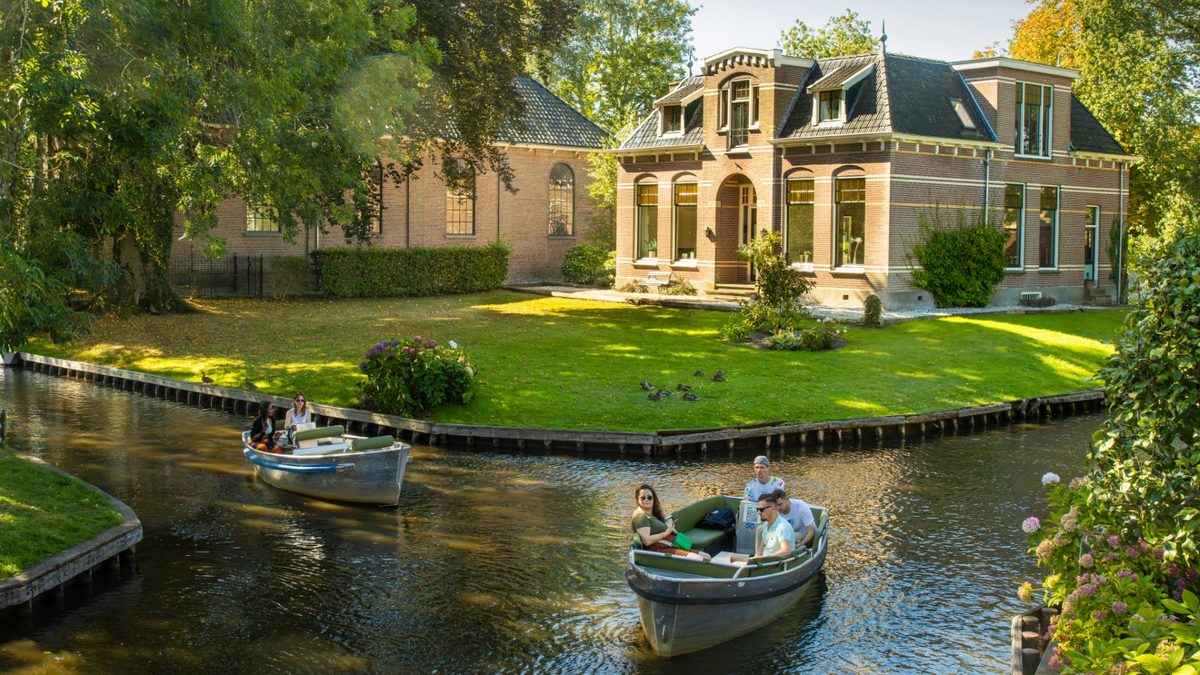
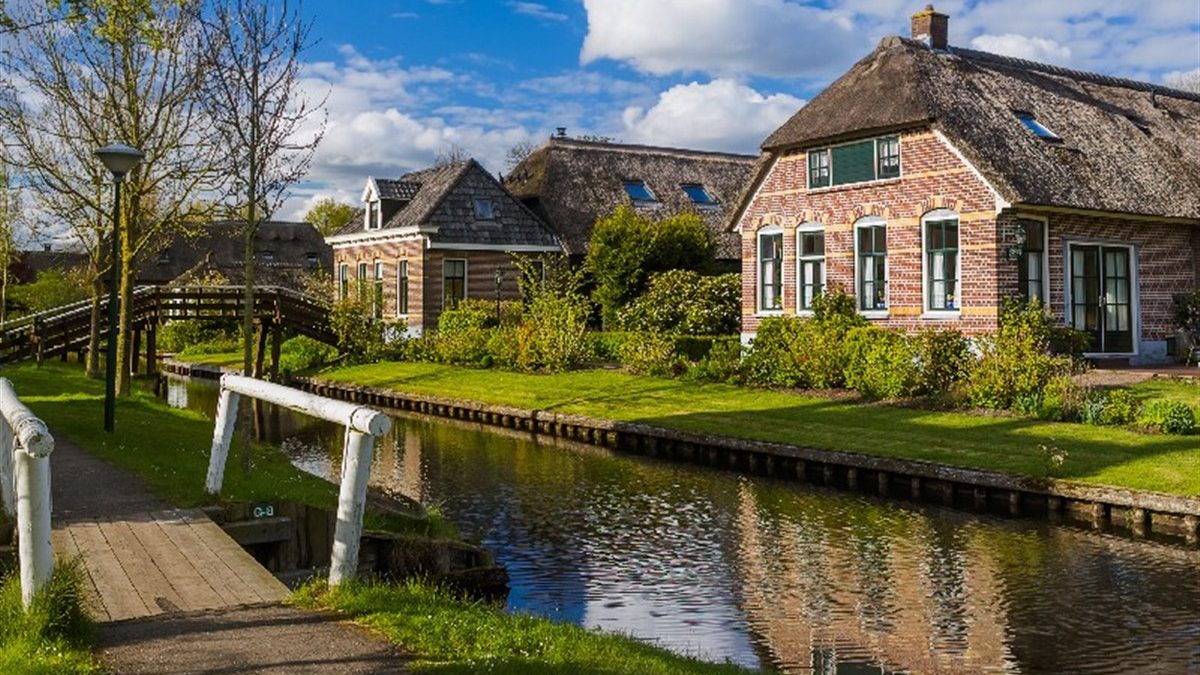
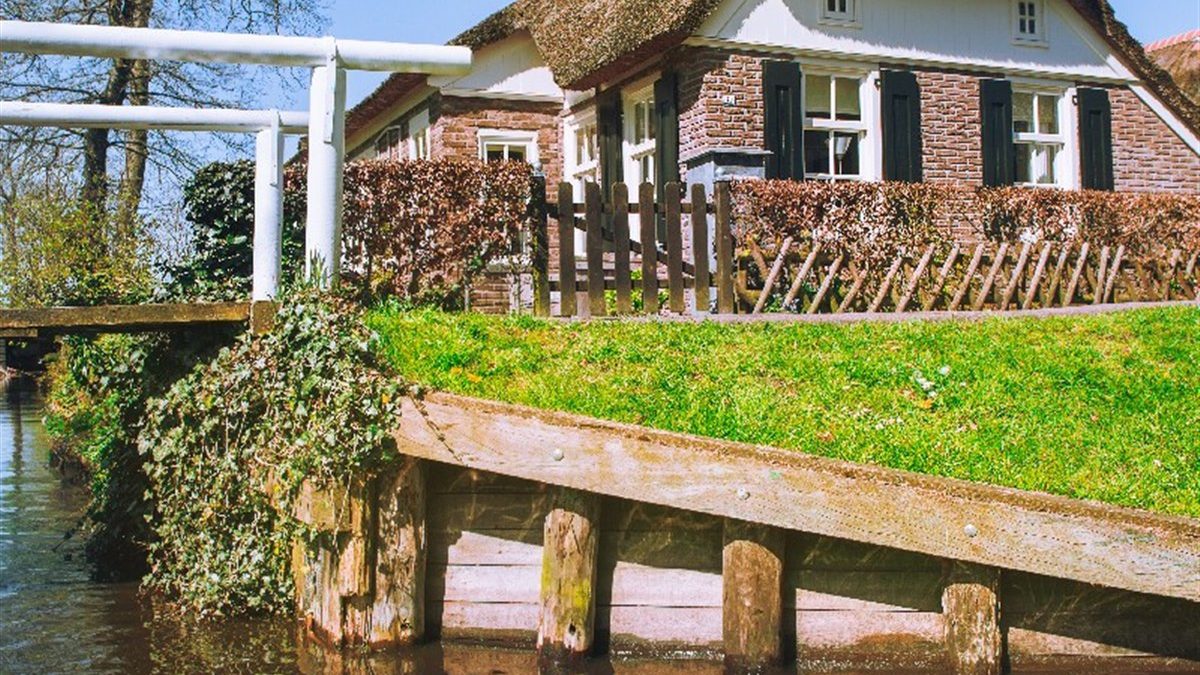
Giethoorn is a village in Overijssel that is known worldwide for its canals and wooden bridges, and because you explore the historic part mainly over the water. Where elsewhere you have streets, Giethoorn has waterways, footpaths and dozens of bridges between houses, gardens and paths. The old centre is low-traffic, so it is remarkably quiet.
What is the history of Giethoorn?
Giethoorn goes back to the 13th century. The area was marshy then and settlers came to extract peat. Where peat was dug, ponds and waterways appeared. These were later connected into the canal system you see today.
The name has a story too: “Giethoorn” is said to refer to the many goat horns that the first inhabitants found after a major flood. Over the centuries Giethoorn grew from a farming community into an international tourist destination. You can read more background in our article about the history of Giethoorn.
Which sights are there in Giethoorn?
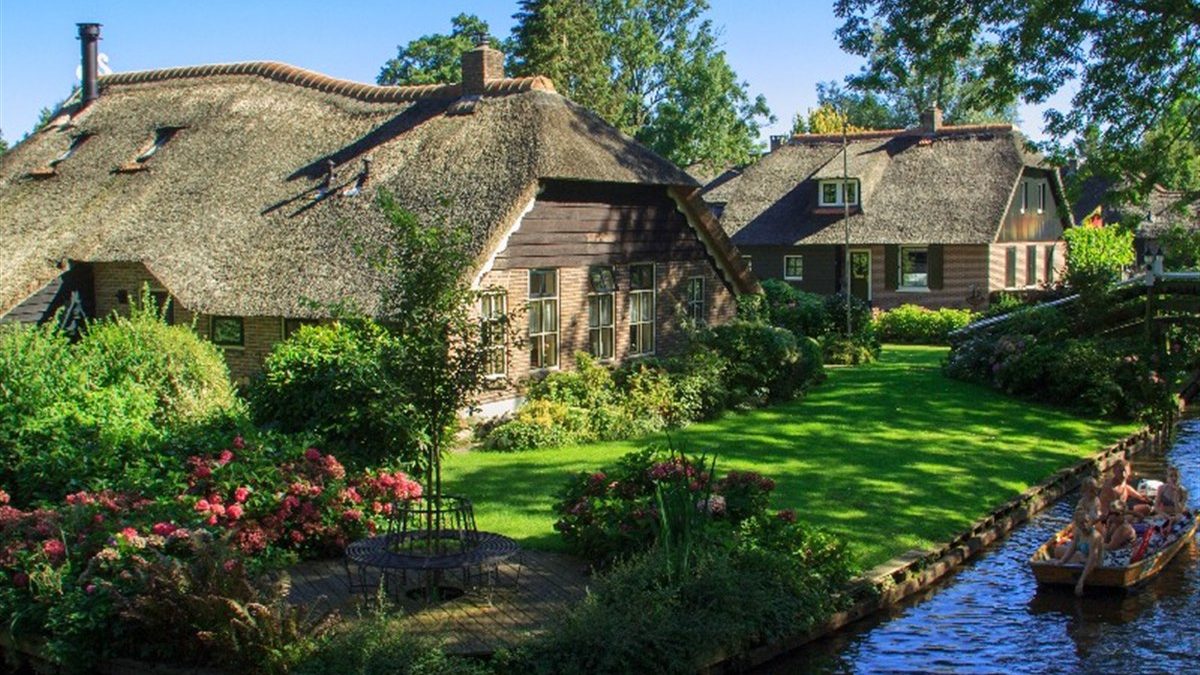
The biggest sight is the village itself: canals, little bridges, thatched farmhouses and photogenic views along the water. There is also more to do than looking around from a boat.
- Boating through the village centre: this is how you see most of Giethoorn, because everything here revolves around the water.
- Walking along the canals: on foot you reach quiet corners and see more details than from the water.
- Museums: for those who want to know more about the landscape and the history. The options are together at museums in Giethoorn.
- Terraces and dining by the water: in Giethoorn you can have lunch or drinks at your leisure with a view of boats passing by.
Tip: start with boating, then take a short walk and finish with dining by the water. Then you have seen the village from the water, from the path and from the terrace.
How do I get to Giethoorn?
Giethoorn is in the province of Overijssel, in the municipality of Steenwijkerland, a little over thirty kilometres from Zwolle. The village lies right next to Weerribben-Wieden National Park, a watery nature reserve of more than 10,000 hectares of continuous low-lying peat marsh with lakes, ditches and reed beds.
The route that suits depends on where you are coming from and whether you travel by car or public transport. Where you end up, what time you arrive and how you continue into the village make a big difference to your day. That is why it is worked out in a separate article: how to get to Giethoorn?.
Why is Giethoorn interesting to visit?
In Giethoorn the water is the “street”, the nature lies around it and it is quiet, which you miss at many popular destinations. Because the historic centre is low-traffic, you hear birds more often than traffic and even a short walk feels like a mini holiday.
How does Giethoorn differ from other villages?
It is different from a city or an ordinary tourist village. You walk or sail through a landscape of canals and little bridges, with gardens by the water and boats passing quietly. Giethoorn is photogenic, and pleasantly “slow” too: your pace drops naturally.
Why is Giethoorn called the “Venice of the North”?
That nickname comes mainly from the fact that there are no roads in the old part of the village and boats are the main means of transport. As in Venice, it is all about the waterways. Giethoorn is smaller in scale, however, lies in the middle of nature and is rural and quiet.
What can I learn from a visit to Giethoorn?
You see how landscape and history shape each other. Peat extraction literally laid the foundations of the present village. You also notice how the nature (reed beds, lakes, canals) and the village itself (low-traffic, small-scale) together make a place where you are in no hurry.
What are the lesser-known aspects of Giethoorn?
Besides the boat tour and “looking at bridges”, there is more that many day visitors miss: life around the village, the nature around it and the habits that go with living by the water. If you take that in, your visit feels less touristy.
Which activities can I do besides boating?
- Explore Weerribben-Wieden National Park: a maze of lakes, ditches and ponds, alternating with reed beds and hay meadows.
- Canoeing: in a canoe you reach quiet places with mainly reeds, water and birdsong.
- Cycling around Giethoorn: you see different natural beauty than from the water and pass surrounding villages that are also worth a visit.
- Visitor centres: handy if you want to know more about the landscape, the plants and animals and the history of the area.
What are local traditions in Giethoorn?
Giethoorn has been shaped by living with water: first peat extraction, now daily traffic over bridges, paths and boating routes. You see that in how the village is experienced: peacefully, with an eye for the landscape and with respect for the low-traffic centre. For you that means: allow for slow traffic (on foot and by boat) and choose times and routes where you really notice the quiet.
What does daily life in Giethoorn look like?
The rhythm follows the season. Giethoorn can be visited all year round and every season has its own atmosphere, from lively days in high season to quiet walks when it is calmer. The water is simply part of daily life here, and because of the low-traffic centre that life takes place more “along the water” than along streets.
How to prepare for your visit
- Decide your focus: do you mainly want nature, history or atmosphere? Then you know whether you need more time for walking, a museum or the park.
- Plan your arrival: look in advance at how best to travel and where you end up in the village.
- Combine 3 parts: boating, a short walk and dining/drinks by the water make a balanced day.
- Add one “quiet” activity: canoeing or cycling just outside the crowds.
Conclusion
Giethoorn came into being through peat extraction and was shaped by the water; now people come for the peace, the nature and the low-traffic centre. If you are looking for good information, start with the basics (history, sights and accessibility) and then look at what is less well known: Weerribben-Wieden National Park, cycling or canoeing. Want to plan your visit concretely? Use our practical information and make a schedule for the day that suits your pace and interests.