How do I plan a visit to Giethoorn?
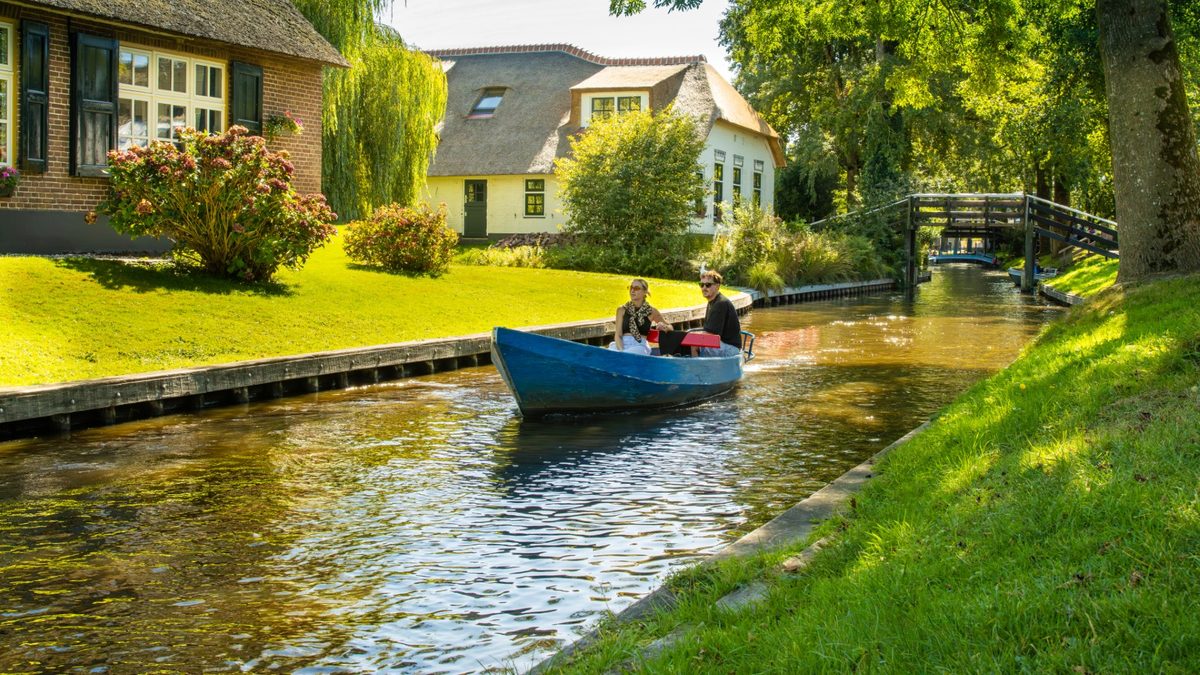
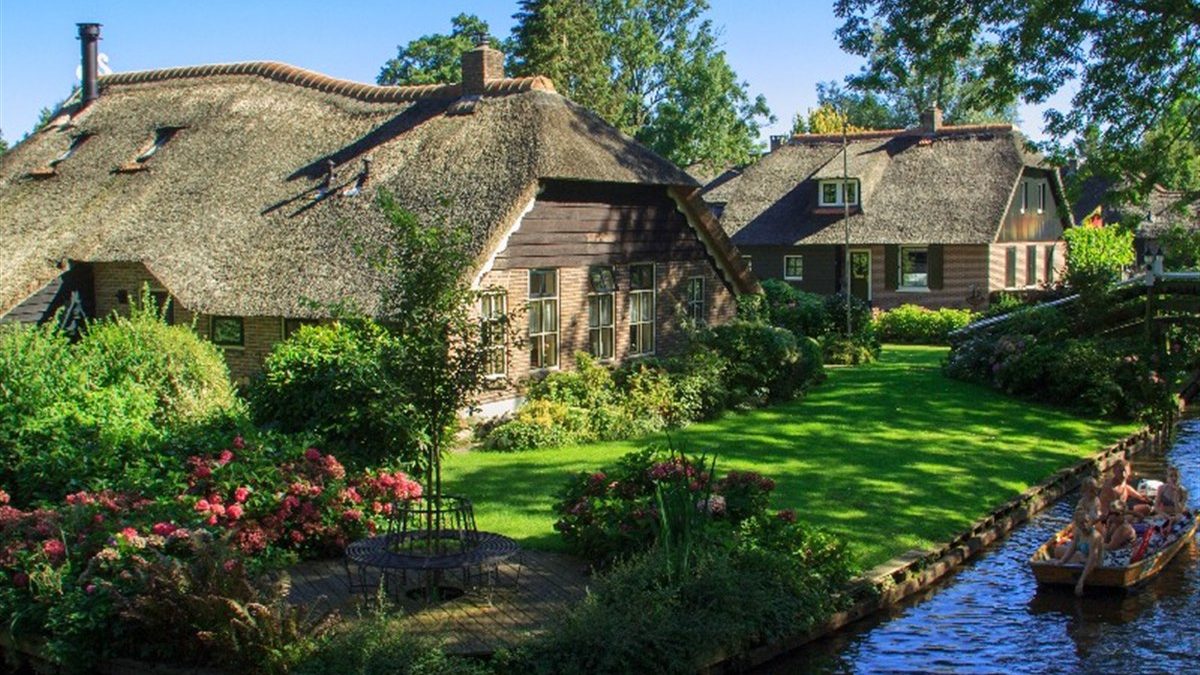
Start with one choice: do you mainly want to sail, mainly walk and take photos, or a mix? In the historic centre there are hardly any cars and many of the “streets” are waterways. So boating is the obvious choice. You can also explore Giethoorn well on foot along footpaths and bridges, but you usually see most from the water.
What are the steps to organise a day trip to Giethoorn?
- Choose your main activity: a guided boat tour, sailing yourselves (for example in a whisper boat), or canoeing. For the water you can reserve in advance with us: Reserve your boat here.
- Plan a block on the water: allow at least 1.5-3 hours for boating, depending on your route and stops.
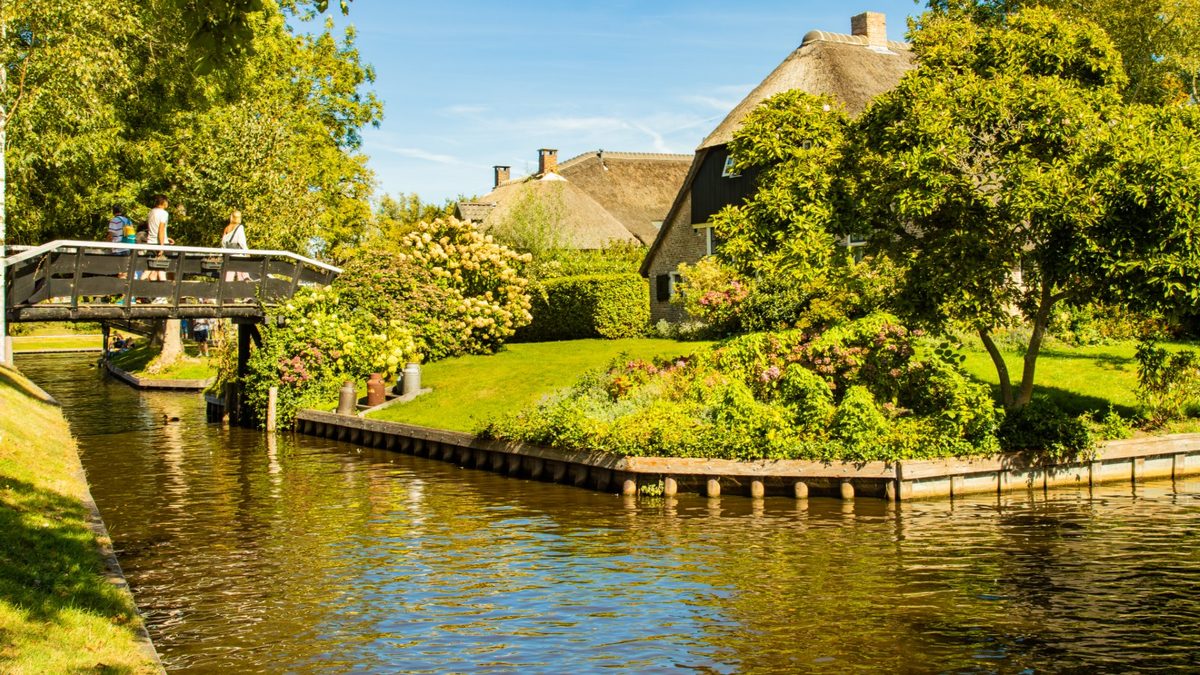
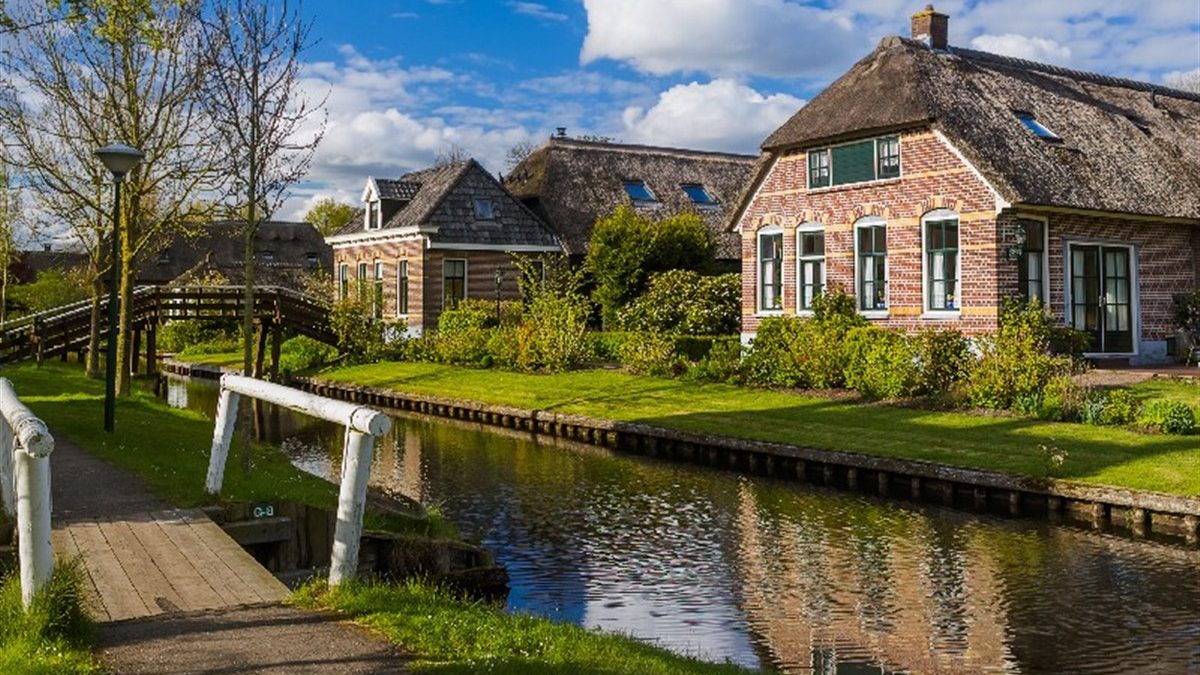
- Combine it with a walk: plan 45-90 minutes to walk over little bridges along the canals and take photos.
- Plan your meal: pick a lunch or drinks moment on a terrace by the water. You find inspiration with us under Eating and Drinking.
- Check practical information in advance: especially handy if you come with a family, a group or limited time. Start with our practical information page (see the navigation on our site).
How can I best plan my route in Giethoorn?
Put your route in a logical order: first the water (if you sail), then the shore, and after that extras such as museums or cycling. Giethoorn also lies right next to Weerribben-Wieden National Park, a watery area of more than 10,000 hectares of low-lying peat marsh with lakes, ditches, reed beds and plenty of birdsong. If you also want to take in the nature, choose a route that goes beyond the village canals to the quieter parts of the nature reserve.
- Route choice 1: “Classic Giethoorn”. Boating through the canals and a short walk for the little bridges and views.
- Route choice 2: “Nature & quiet”. By canoe or whisper boat to the reed beds and quieter waterways in Weerribben-Wieden.
- Route choice 3: “Combining actively”. Boating in the morning, cycling in the surrounding area in the afternoon. You plan your cycling route with us via the cycle route via junctions.
Tip: leave 20-30 minutes of slack in your planning. In a low-traffic village with little bridges, narrow paths and many photo stops, time almost always goes differently from what you expect.
What should I prepare for a weekend in Giethoorn?
For a weekend you can divide your visit into two moods: the village and the nature around it. Day 1 is for the village (canal tour, walking, terraces). On day 2 you head into the Weerribben-Wieden region (canoeing, cycling, surrounding villages or visitor centres). Think in advance about:
- Boating at a fixed time slot: especially if you come on popular days. Book your boat in advance.
- A back-up plan for bad weather: a museum visit or a longer lunch.
- Accommodation that suits your rhythm: waking up slowly and getting on the water early is often the most relaxed. In our navigation you find options under “Accommodation”.
Why is good planning important for a visit to Giethoorn?
With a plan you get more out of Giethoorn. People come here for the peace, the greenery and the photogenic spots, and you enjoy these most when you do not constantly have to work out where to go or what time to be somewhere. Because the centre is low-traffic and everything revolves around the water, having no plan sometimes works against you: you end up with waiting time, detours or an overcrowded route.
A plan helps you in three ways:
- More peace of mind: you know when you sail, when you walk and when you take a break.
- Better choices on the spot: you have time to spontaneously take a lovely spot, instead of having to “press on”.
- Better memories: less stress, more room for photos, nature and atmosphere.
Planning time is extra important here, because your pace in Giethoorn slows down naturally. You stop on little bridges, take photos, look at the water or make another stop at a terrace. Plan realistically in advance and deliberately leave room, so you do not have to rush the last hour or drop things you really wanted to do.
How do I make the most of my visit to Giethoorn?
As little hassle as possible and as much Giethoorn as possible: this is how.
How to plan efficiently
- Fix your “anchor”: choose one main moment (for example boating) and plan the rest around it.
- Reserve in advance if boating is central: then your visit does not depend on availability. You can do that via our booking page with all the boats.
- Work in blocks: water (2-3 hours), walk (1 hour), dining (1-1.5 hours), extra activity (1-2 hours).
How do I avoid busy times during my visit to Giethoorn?
Crowds differ by season and day, but this almost always works: come earlier or stay longer. If you start early, the canals are often quieter and you have more room to sail and take photos at ease. For a weekend it helps to plan the “must-dos” (such as the boat trip) at a quieter moment and keep the rest flexible.
Tips for a stress-free visit
- Choose one route: rather one good boat trip and one pleasant walk than too many separate goals.
- Plan breaks by the water: in Giethoorn you slow down naturally; a terrace or picnic moment is part of it.
- Combine village and nature: in Weerribben-Wieden you spread the crowds by canoeing or cycling.
- Leave room for spontaneity: deliberately keep 10-20% of your day free.
Choose your schedule (day trip or weekend), reserve your boat if you want to sail, and only then plan your dining and walking moments.
Conclusion
First decide how important boating is to you. Then build your route in blocks (water, walk, dining, extras) and keep time free for rest and photo stops. That way you see more of the low-traffic centre, the little bridges and the nature of Weerribben-Wieden National Park, without stress. Want to go straight on? Reserve your boat in advance and plan your cycling or walking ideas around it.