What you can photograph in Giethoorn
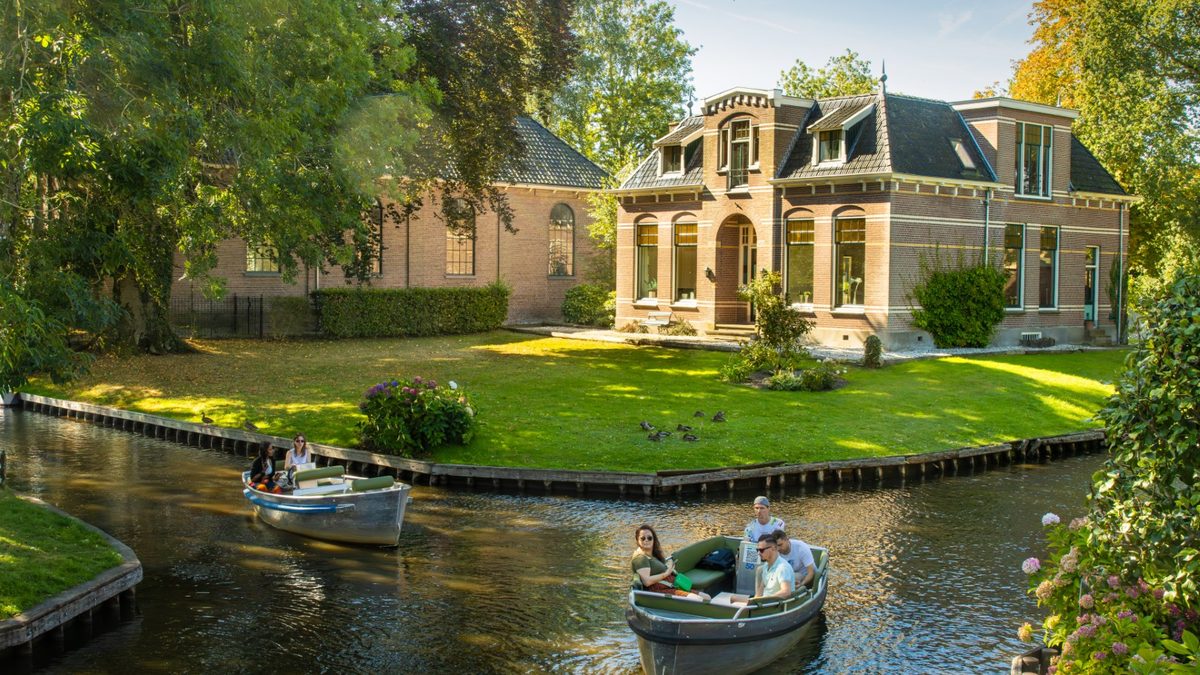
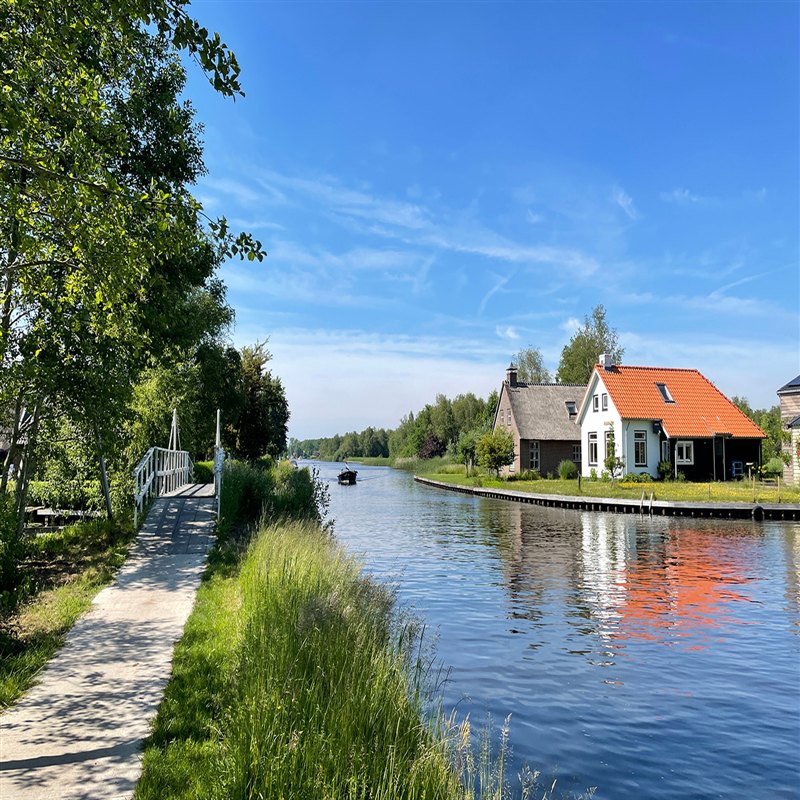
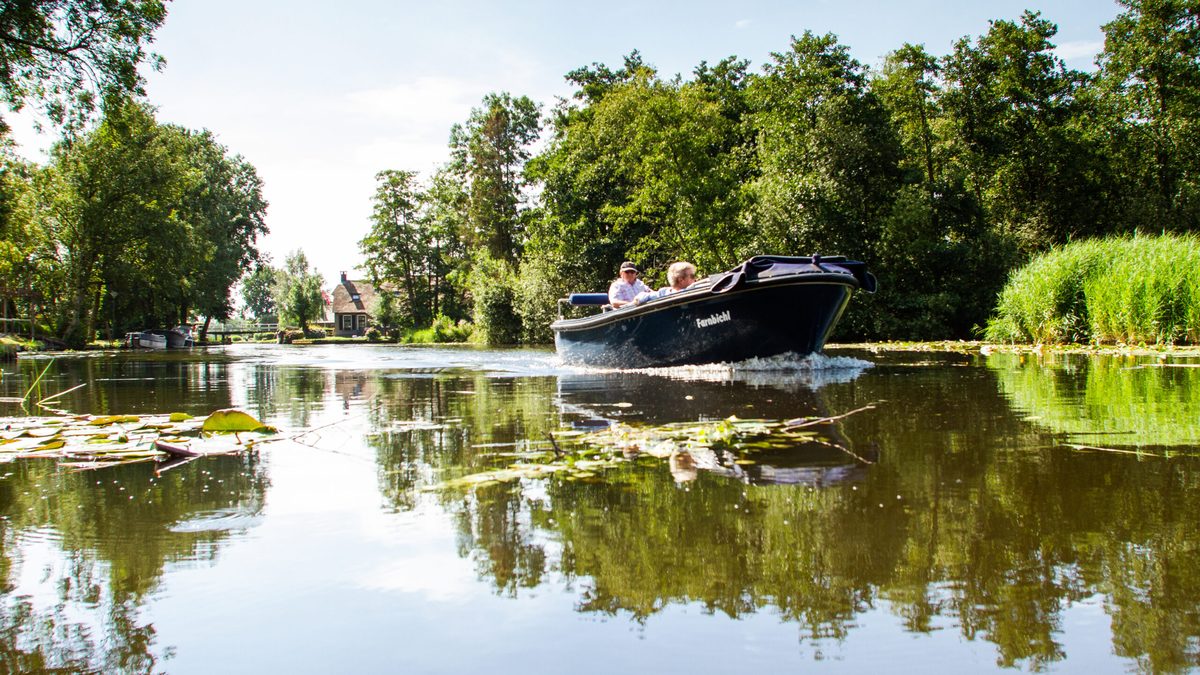
No cars drive in the old village. Over land there is only a cycling and walking path, and most of the traffic goes over the water. That produces images you do not often see elsewhere in the Netherlands: boats on narrow canals, high wooden bridges and farmhouses with thatched roofs on the water. The Dorpsgracht (village canal) is the central axis of the village and ends in the south at the Zuideindiger Wijde.
Bridges and canals
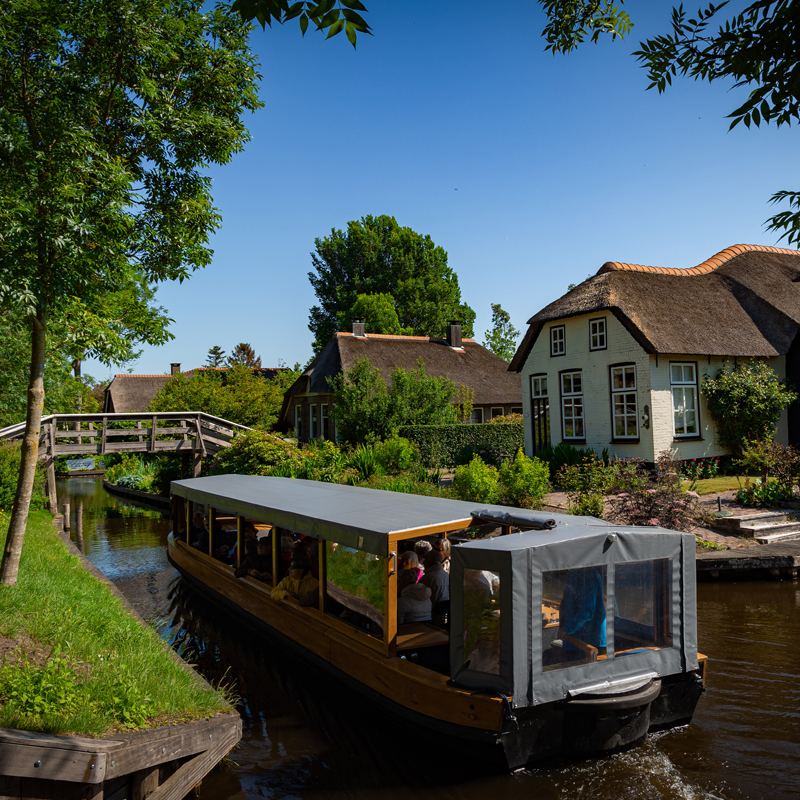
There are more than 176 bridges in and around the village. The bridges are built high so that punters (traditional wooden boats) and loaded boats could once pass underneath. As a result, from the water you often look through an arch to the next stretch of canal, a classic composition for a photo. Most bridges are privately owned. Do not simply step onto them, and stay on the public path or on the water. If there is a boat with people under a bridge, wait a moment, and you will get more space in your frame.
The Bovenwijde and the open water
The Bovenwijde is the large lake next to the village. In most places it is no deeper than a metre. It gives you a wide horizon and plenty of sky. On a windless day the water lies smooth and the reeds are reflected in it. You also get that view from a walking route around the lake, such as the route around the Wiede on the page about walking in Giethoorn.
Thatched roofs and reeds along the water
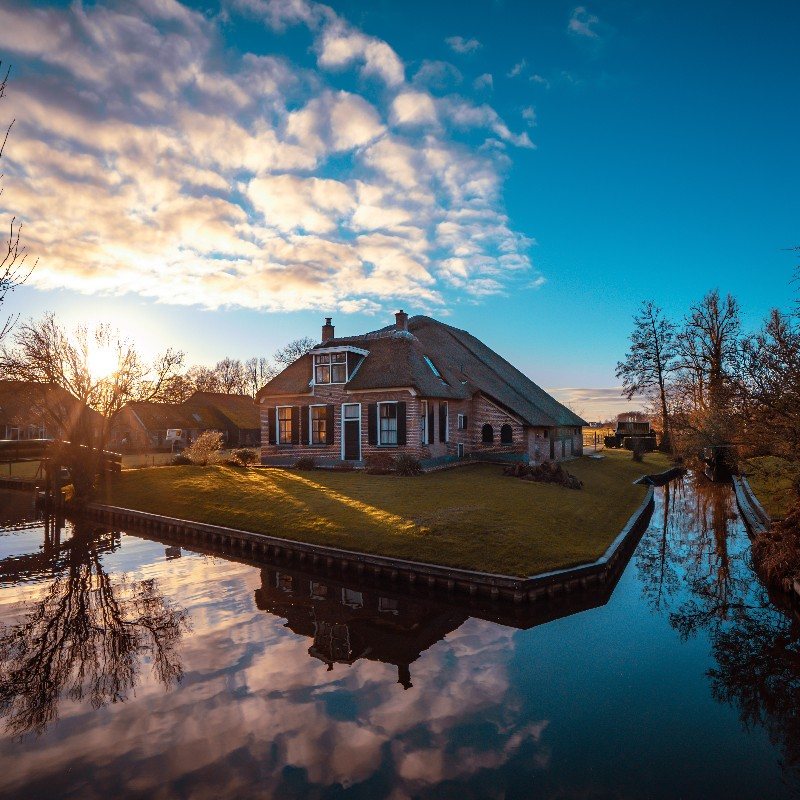
Thatched farmhouses are part of the image of Giethoorn. Cutting reed was long a source of income in the region. Reed is still harvested in Weerribben-Wieden National Park, in winter. A fringe of reeds along the water gives you a foreground for a photo of a farmhouse on the other side. You can read more about the landscape at Weerribben-Wieden National Park.
Light and crowds
July, August, weekends and school holidays are the busiest. On weekdays, early in the morning and late in the afternoon it is quieter. There is then less traffic on the canals and fewer people on the bridges. A quiet canal on a windless morning gives the smoothest water. Autumn with its colours and winter are quiet periods. When exactly it is quiet, you can read on the page When is Giethoorn the quietest?
The view is different from the water
From a boat you see the village from a different side than from the path. You sit low, close to the water, and you see yards and bridges that you cannot reach on foot. On a boat tour you do not have to steer yourself, and your hands are free for your camera. The trip lasts about an hour and passes canals, bridges and thatched farmhouses. If you would rather choose where you stop, see boat tours or whisper boats.
A photo in traditional costume
If you want to be in the picture yourself, you can put on traditional clothing in Giethoorn and have an Old Dutch photo taken. The options are on the page photo in traditional costume.
Using a drone
National rules apply to drones. For flights in the open category, the drone must be registered and carry a label showing it meets the European requirements. You may only film people who give permission for it. Flights in the open category are prohibited above some Natura 2000 areas. De Wieden is such a Natura 2000 area. So check the official drone maps beforehand and read the rules on veiligdronevliegen.nl (in Dutch). Also check whether the municipality of Steenwijkerland or the area manager has additional arrangements for your flight.
Privacy of residents and visitors
Giethoorn is a residential village. People live along the canals, and many gardens and bridges are private. If you photograph a garden or a living room, you are photographing someone’s home. Ask people for permission before you take their picture, and certainly before you publish a photo in which they can be recognised. Photos of the surroundings without recognisable people can be taken freely from public places.