
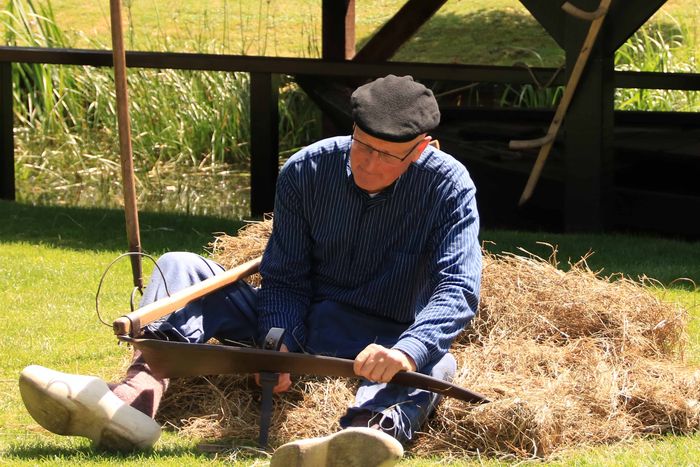
 Every year in August
Huisvlijtdag (Home Crafts Day)
On the first Saturday of August, volunteers in traditional costume bring the Giethoorn of the early last century to life, with old crafts, traditions and the work of those days.
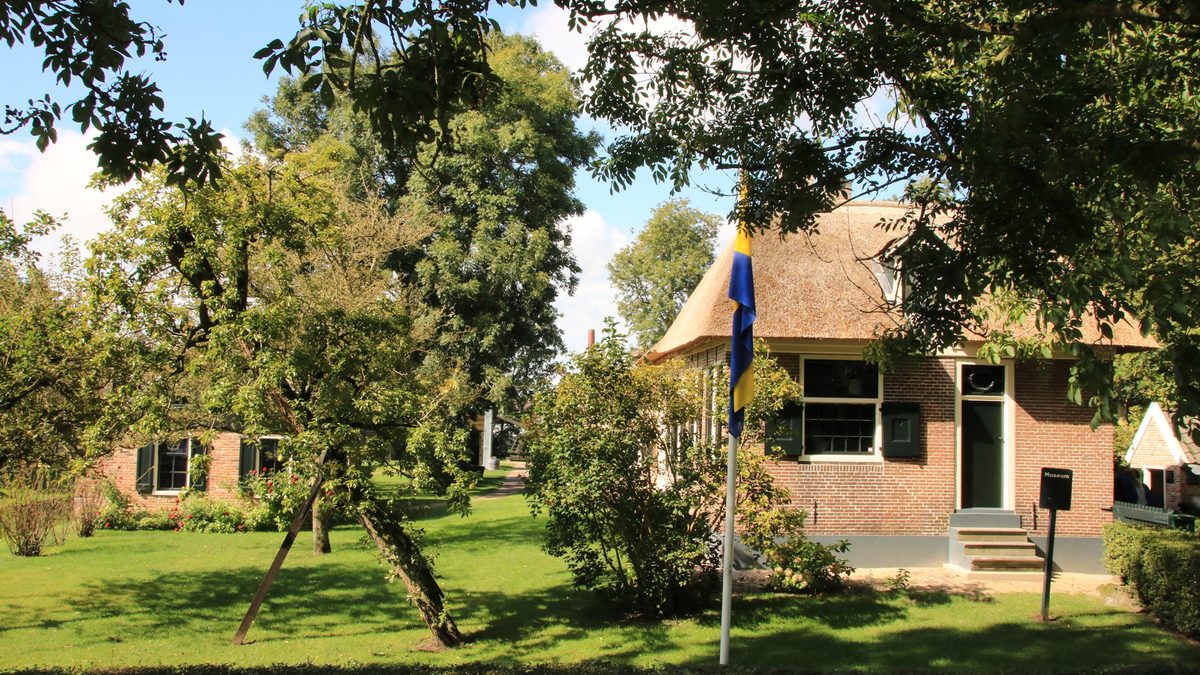
Museum Giethoorn 't Olde Maat Uus shows how people lived and worked in Giethoorn in the past. You can look inside an authentic Giethoorn farmhouse, a fisherman's cottage and a boathouse, in the middle of the village on the Binnenpad.
The museum is in the farmhouse at Binnenpad 52, the birthplace of Hendrik Maat. Personal stories of notable residents tell you about peat cutting and about special customs in the village. It is the only place where you can see inside an authentic Giethoorn farmhouse. The fisherman’s cottage and the boathouse show how simple life was in this watery village.
At Museum Giethoorn you can learn about the history of Giethoorn, follow an audio tour, see a changing exhibition, buy souvenirs, have a coffee in the museum farmhouse and get a guided tour with a group.
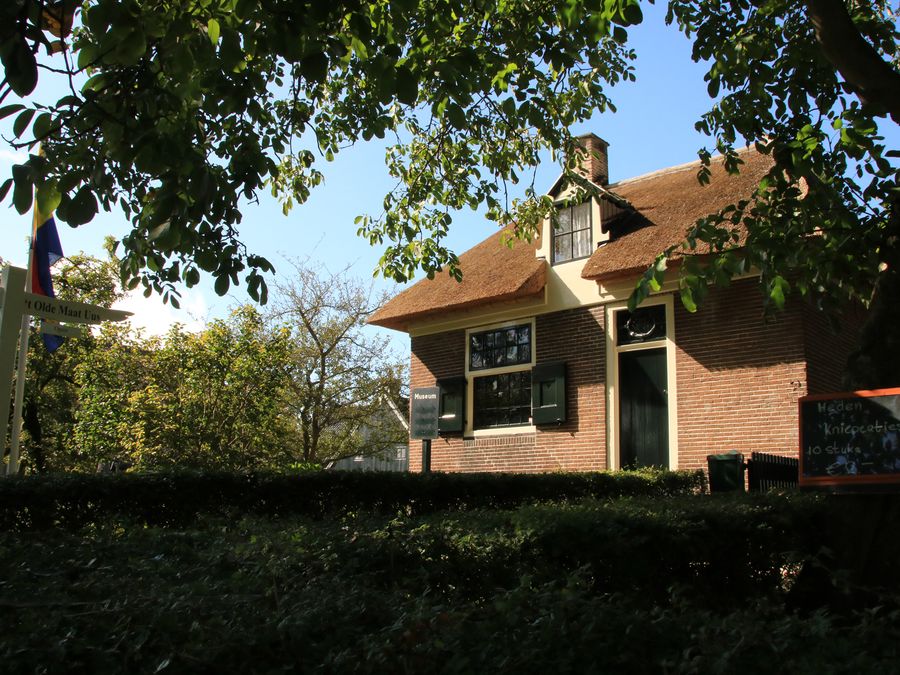
In the museum farmhouse you see how a Giethoorn family lived and worked. The fisherman’s cottage and the boathouse tell you about life on and beside the water. There is also a film to watch.
For the audio tour you borrow a Podcatcher at the entrance. You point the device at one of the information cards in the museum and the explanation starts by itself. The tour can also be followed in English, German and Chinese.
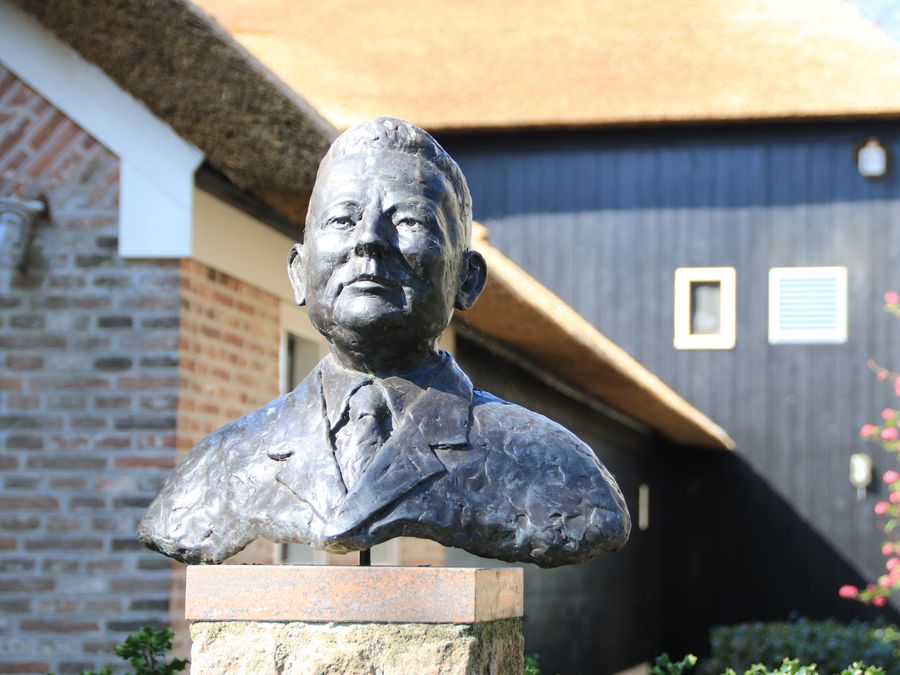
In 1980 a group of Giethoorn residents, ’t Gieters Comité (the Giethoorn Committee), began looking for a way to preserve the cultural history of the village. After a few failed attempts at other locations, the Maat family was willing to sell the empty farmhouse at Binnenpad 52. Hendrik Maat sold his birthplace in 1986 to Stichting ’t Olde Maat Uus (the ’t Olde Maat Uus Foundation).
The farmhouse with its attached dwelling had fallen into serious disrepair and had to be completely restored. Architect D.J. Reeskamp, who lived in Giethoorn at the time, worked with many others to secure the heritage grants. After eight months of work, the museum opened to the public in May 1988. The museum was renewed in 2016 and 2017.
Besides the permanent collection, the museum organises activities every year, often with volunteers in traditional costume. A changing exhibition is on show in the Hendrik Maat Hall. Around the longest day of the year there is a Midsummer Evening concert in the museum garden, by the haystack.
Every year in August
On the first Saturday of August, volunteers in traditional costume bring the Giethoorn of the early last century to life, with old crafts, traditions and the work of those days.
 One weekend a year
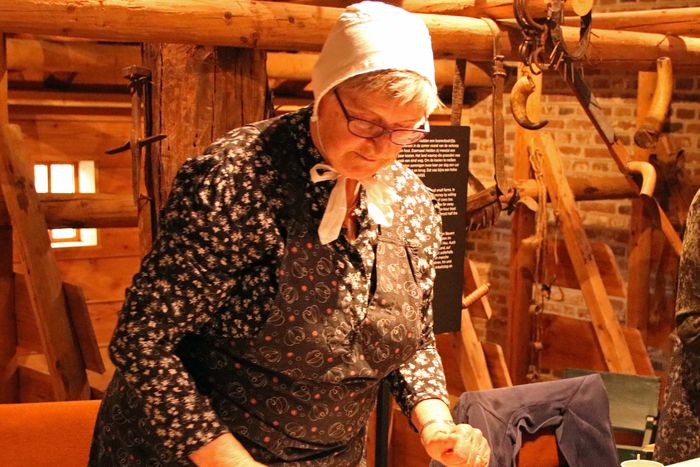
During Preuverije, the museum volunteers show and let you taste how people ate in Giethoorn around 1900, with regional products that are almost forgotten today.
 For children
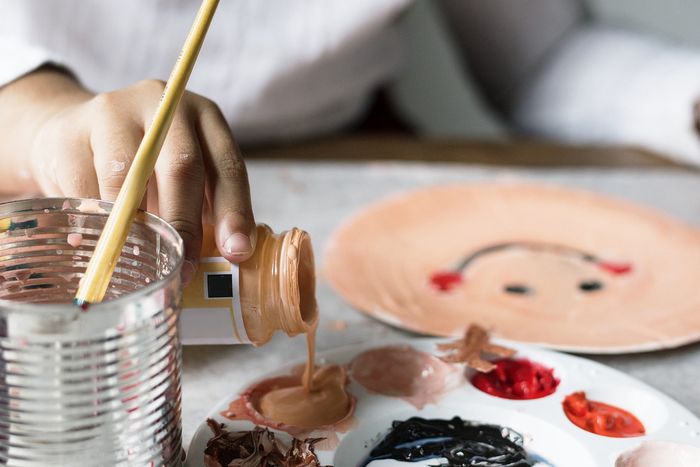
In the autumn holiday the museum holds a craft afternoon for children aged 6 to 12 inclusive. What is made remains a surprise until the afternoon itself. You register in advance by phone with the museum.
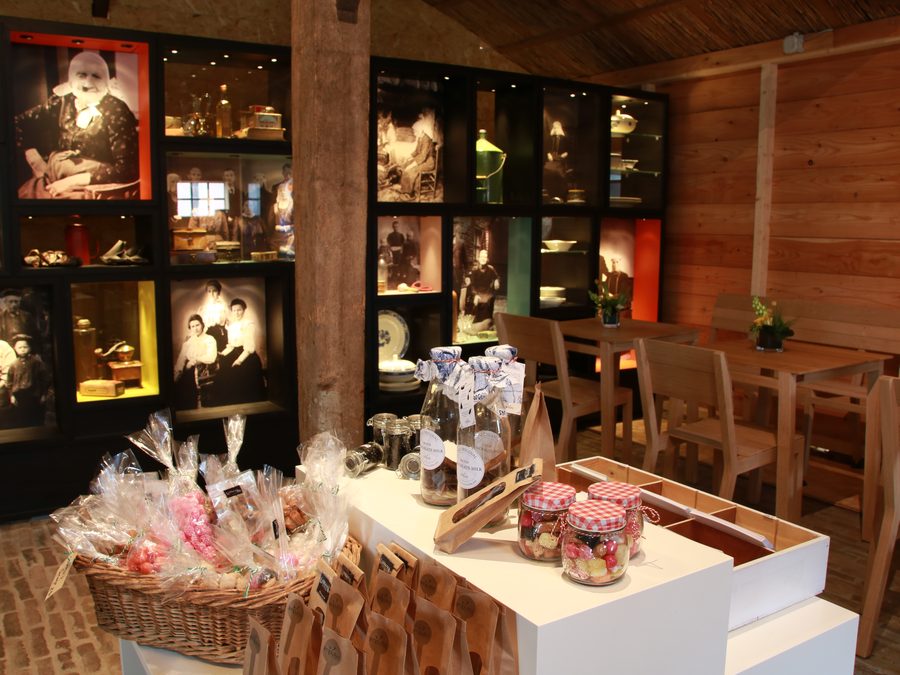
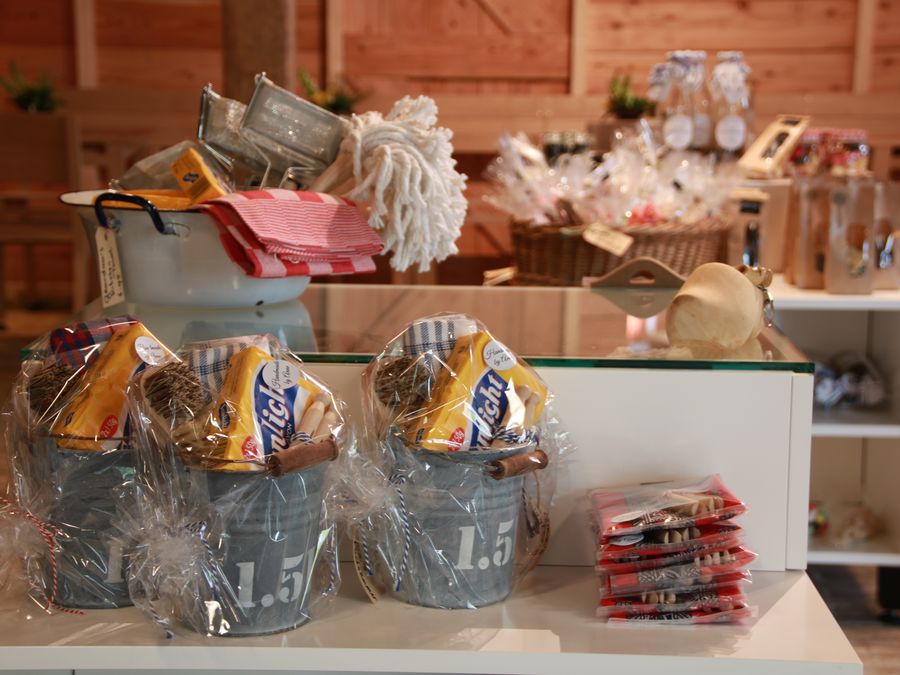
In the museum shop you will find old-fashioned Dutch sweets, household items, greeting cards, small fish traps, books and other souvenirs. In the self-service coffee corner you can have a drink before or after your visit, in the atmosphere of the museum farmhouse. The shop and coffee corner are freely accessible, even if you do not visit the museum.
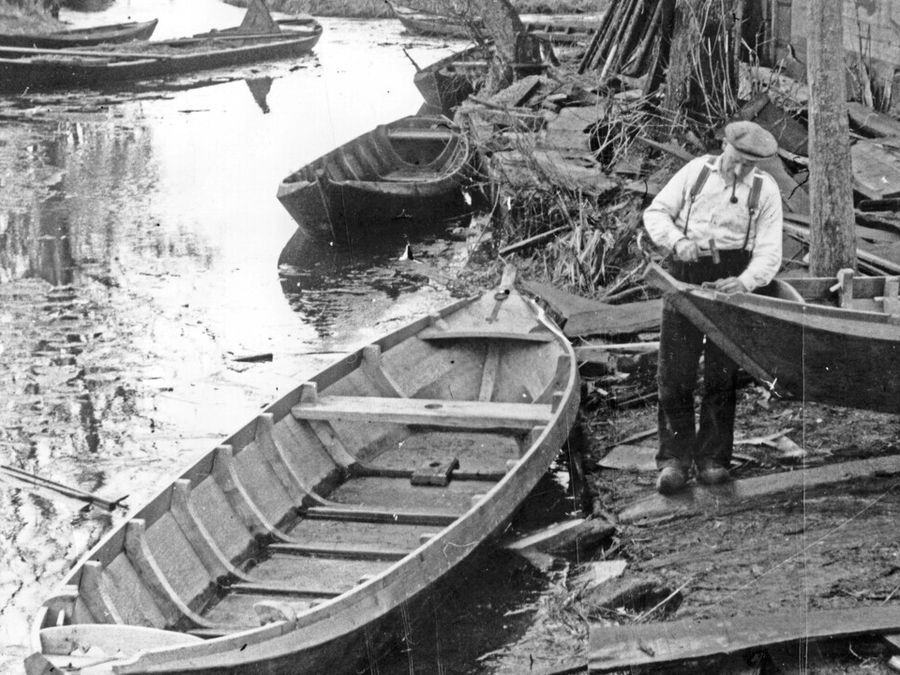
The Afdeling Historie Giethoorn (Giethoorn History Department) has existed since 1992 and is part of the museum. Its members deepen and share knowledge of local history and archive the material for the future. Every year they publish a bulletin with articles about the village.
The department has developed an online Beeldbank Giethoorn (image bank) with about 30,000 historic photos and documents: all houses and buildings, professions, special events, cadastral maps and more.
If you come with a group, register with the museum in advance. The museum will then make sure there are enough volunteers to show you around.
Groups of 20 to 40 people get a guided tour by volunteers. There are no guided tours on Saturday and Sunday; you then use the audio guide. A group visit at another time is possible by appointment.
For schools, the museum has an educational programme with a guided tour and teaching material. This way children learn about the origins and history of Giethoorn.
The museum and the outdoor grounds are suitable for wedding photos. If you come with more people than the couple and the photographer, please contact the museum in advance.
You can look inside a traditional Giethoorn farmhouse, a fisherman's cottage and a boathouse. Personal stories from residents tell you about peat cutting and old customs in Giethoorn. There is a film, a changing exhibition in the Hendrik Maat Hall and plenty for children to see.
Yes. At the entrance you borrow a Podcatcher, which you use to listen to the explanation of the objects on display. The audio tour is available in Dutch, English, German and Chinese and is included with your entrance ticket.
Yes. Groups of 20 to 40 people register with the museum in advance, so that there are enough volunteers for a guided tour. There are no guided tours on Saturday and Sunday; you then use the audio guide. A group visit at another time is possible by appointment.
Yes, the museum is easily accessible with a walker or wheelchair. Mobility scooters, balance bikes, kick scooters and Segways are not allowed inside.
No, pets are not allowed inside. Assistance dogs are welcome.
Follow the signs for P2 Green (P2 Green) to the car park. From there, walk along the Ds. T.O. Hylkemaweg and turn right into the village; after about 150 metres the museum is on your right, next to the Mennonite church. If you use a satnav, enter Wethouder Harm Molweg and not the Binnenpad.
Yes. The museum shop and the self-service coffee corner are freely accessible.